Gaming in College: The Constraints Are Real
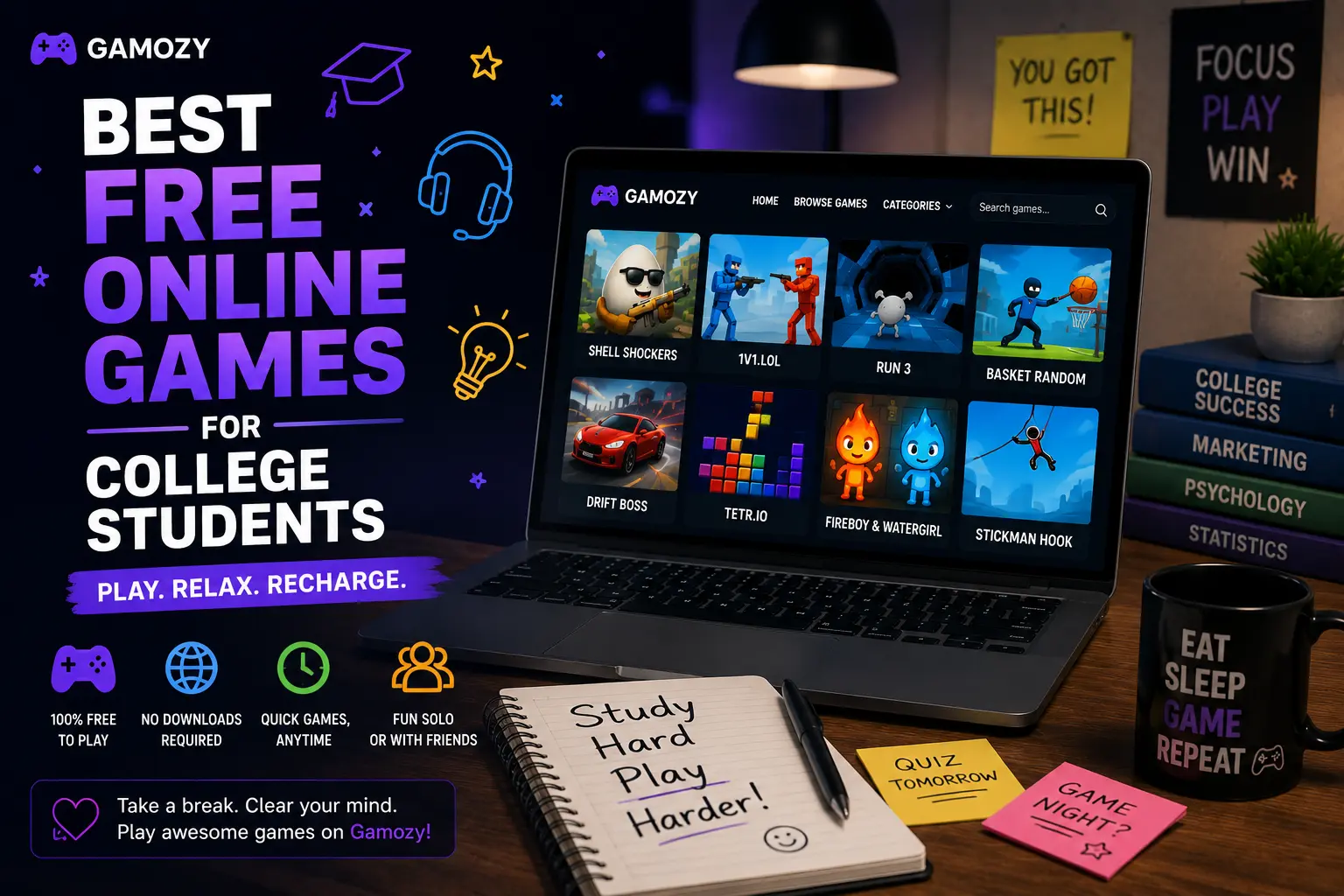
College students face a specific set of gaming constraints that most gaming products aren't designed around. Money is tight — $70 console games and $15/month subscriptions add up fast when you're living on a student budget. Time is fragmented — a 20-minute gap between lectures is too short for a meaningful console session but long enough to want some entertainment. Devices are often limited — a laptop and maybe a tablet, shared with studying. Campus networks can be restrictive. And dorm rooms aren't always conducive to long gaming sessions with roommates around. Browser games solve almost all of these problems simultaneously. They're free, they work in short sessions, they run on any device with a browser, and they leave no trace when you close the tab.
Games Perfect for Between-Class Gaps
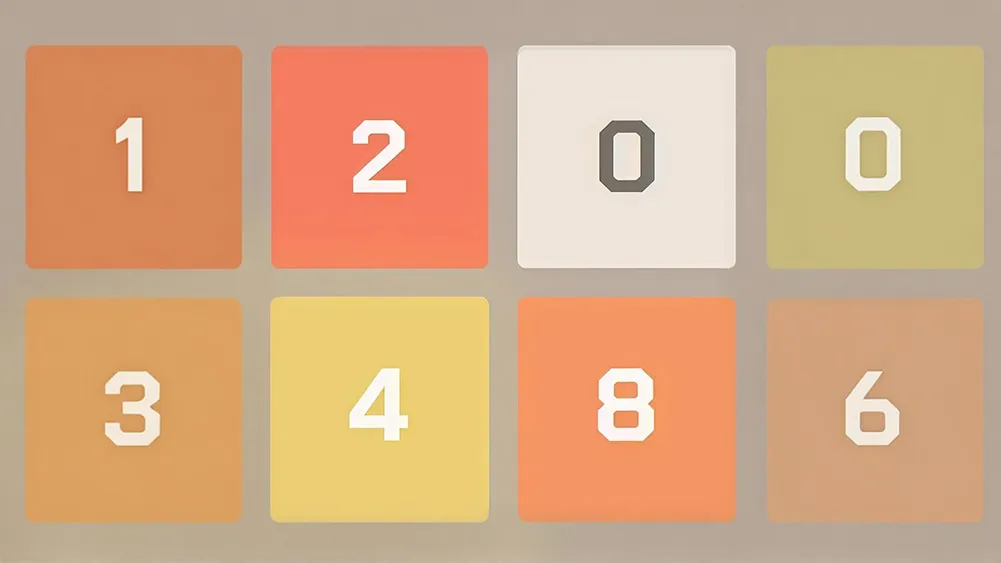
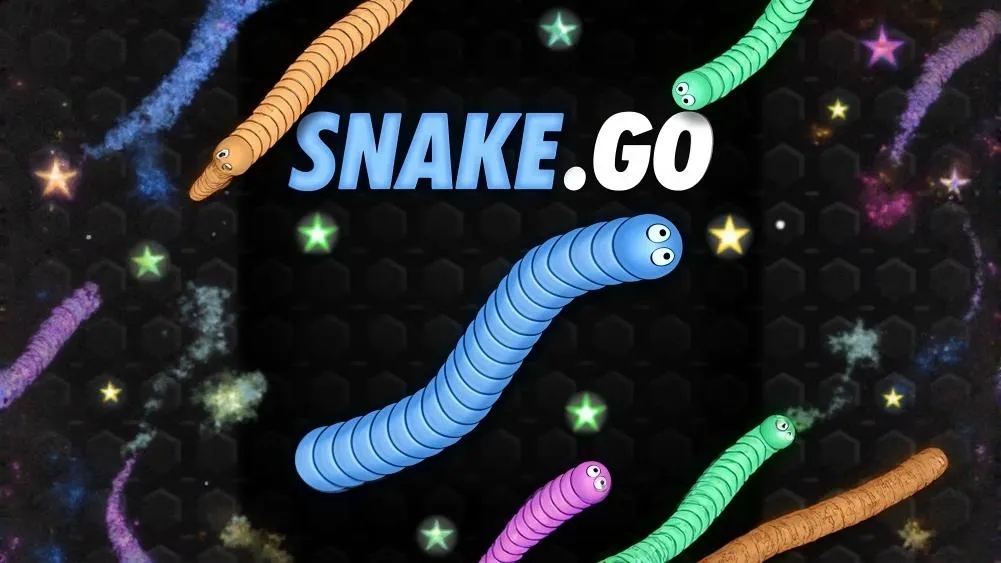
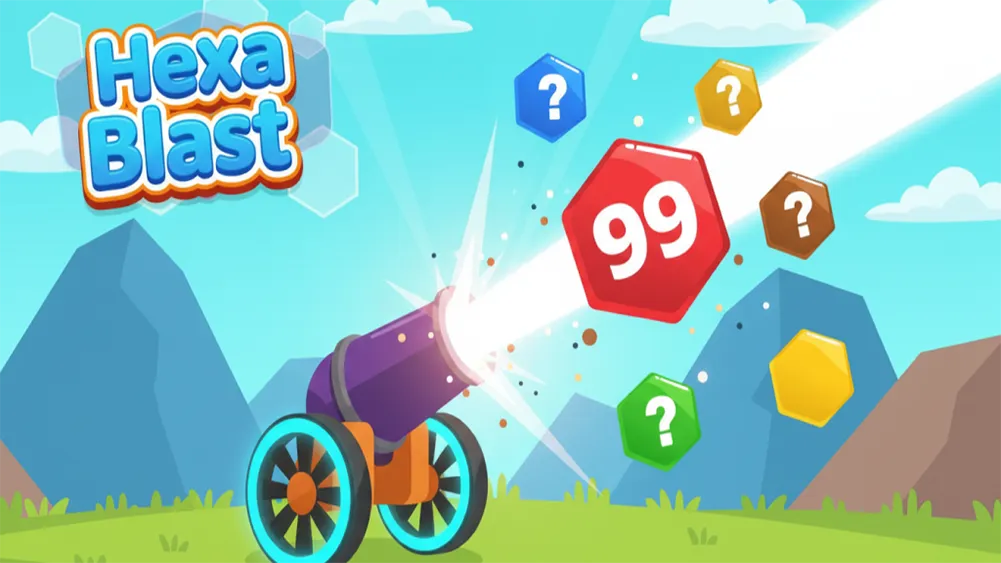
The twenty-minute gap between classes is a perfect browser gaming window — long enough to get genuine entertainment, short enough that you need something with natural stopping points. 2048 is the ideal between-class game: a session runs three to ten minutes, you can walk away at any point without losing progress (the game saves automatically), and the strategic challenge is engaging without being so absorbing that you lose track of time. Snake Go delivers a complete gaming experience in two to five minutes per run, with clean endings that make it easy to stop. Hexa Blast's round structure gives you clear stopping points between levels. All three work on the laptop you already have open from your last class.
Late Night Gaming in the Dorm
Late-night gaming is a college tradition, and browser games deliver here too. Paper.io 2 is excellent for late-night competitive gaming — real-player competition doesn't have peak hours in the same way offline events do, and the quick sessions are perfectly calibrated for the "just one more game" energy that tends to run until 2am. Ludo Royal is great for dorm-room gaming with roommates — competitive board game dynamics on a shared screen, no hardware required. For solo late-night wind-down, Water Color Sort is the browser game equivalent of a relaxing puzzle book — methodical, low-stress, and easy to stop when you finally decide to sleep.
Gaming in the Library — Low Profile Required
Library gaming requires a specific type of game: quiet, visually unassuming in a browser tab, and easy to minimize when a librarian or professor walks by. 2048 is the library gaming champion — it literally looks like a grid of numbers. Water Color Sort has a calm, professional-looking visual design that doesn't scream "gaming." Hexa Blast is colorful but contained within a small game window. All of these run silently with no audio needed and can be in a browser tab next to your actual research. The no-download requirement is also important for library computers — you're not installing anything on a shared machine, which is both considerate and practically important since library computers often restrict software installation.
Browser Games as a Stress Relief Tool During Finals
Finals season is one of the most stressful periods in a college student's year, and healthy stress relief is genuinely important for performance. Short, focused gaming sessions during study breaks have been shown to help reset cognitive fatigue and maintain focus across long study periods. The key is using games intentionally — a fifteen-minute 2048 session as a deliberate study break is restorative. The same fifteen minutes that drifts into an hour of Paper.io 2 is a problem. Browser games without compelling push notifications or social pressure are actually better for this use case than mobile games, because they don't pull you back in after your break ends. Close the tab, and the pull to return is much weaker than with a game that sends you notifications.
Frequently Asked Questions
Recommended Gamozy Games
Try these related free browser games after reading the guide.